Medication Expiration: What Really Happens When Pills Go Bad

When you see an expiration date on your medicine, the date set by the manufacturer to guarantee full potency and safety under proper storage conditions, it’s not just a suggestion—it’s a legal and scientific boundary. Most drugs don’t suddenly turn toxic after that date, but they do lose strength. The FDA the U.S. agency that regulates drug safety and approves expiration dates through stability testing has found that many medications remain effective years past their labeled date, but that doesn’t mean you should take them. Some drugs, like insulin, nitroglycerin, and liquid antibiotics, degrade fast and can become unsafe or useless. The real question isn’t just "is it expired?" but "what kind of medicine is it, and how was it stored?"

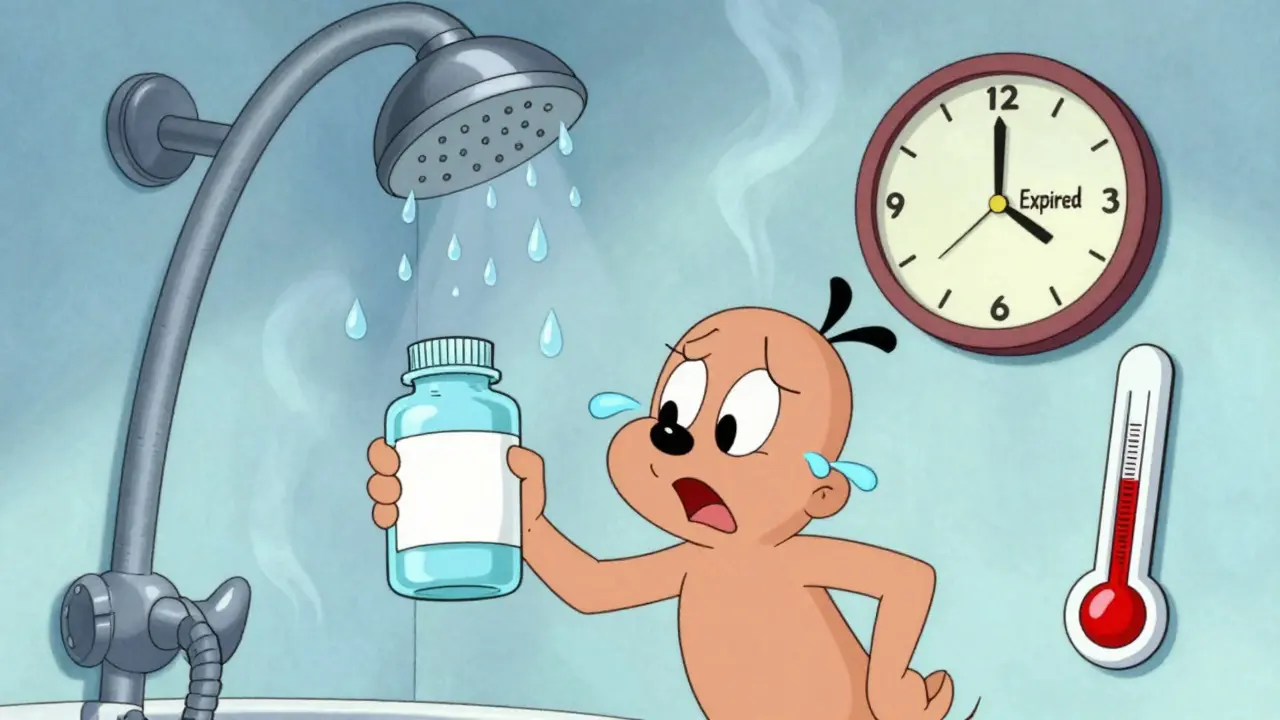
Storage matters more than you think. A pill sitting in a hot bathroom cabinet isn’t the same as one kept in a cool, dry drawer. Heat, moisture, and light break down active ingredients. That’s why medication storage the practice of keeping drugs in conditions that preserve their chemical integrity is critical. If your asthma inhaler was left in a car on a 90-degree day, it might not work when you need it most. Same with insulin—it can lose potency if not refrigerated properly, even before the expiration date. And don’t assume that because a drug is still in its original bottle, it’s safe. The bottle protects it from light, but not from humidity if the cap is loose. drug potency the strength of a medication’s active ingredient at a given time drops over time, and for life-saving drugs, even a 10% loss can be dangerous.

You won’t always know if your medicine has weakened. Unlike milk, pills don’t smell or change color when they go bad. That’s why the pharmaceutical safety the system of standards and practices ensuring drugs remain effective and non-harmful until their expiration system relies on strict testing. The FDA requires manufacturers to test batches under real-world conditions to set expiration dates. But once the drug leaves the pharmacy, control is gone. That’s why you should never use expired antibiotics—they might not kill all the bacteria, leading to resistant infections. And never take expired epi-pens, seizure meds, or heart medications. For pain relievers or antihistamines, the risk is lower, but the benefit drops fast. If you’re unsure, talk to your pharmacist. They can tell you if it’s worth keeping or if it’s time to toss it. Below, you’ll find real stories and science behind why some meds are fine past their date—and why others could put you in the ER.
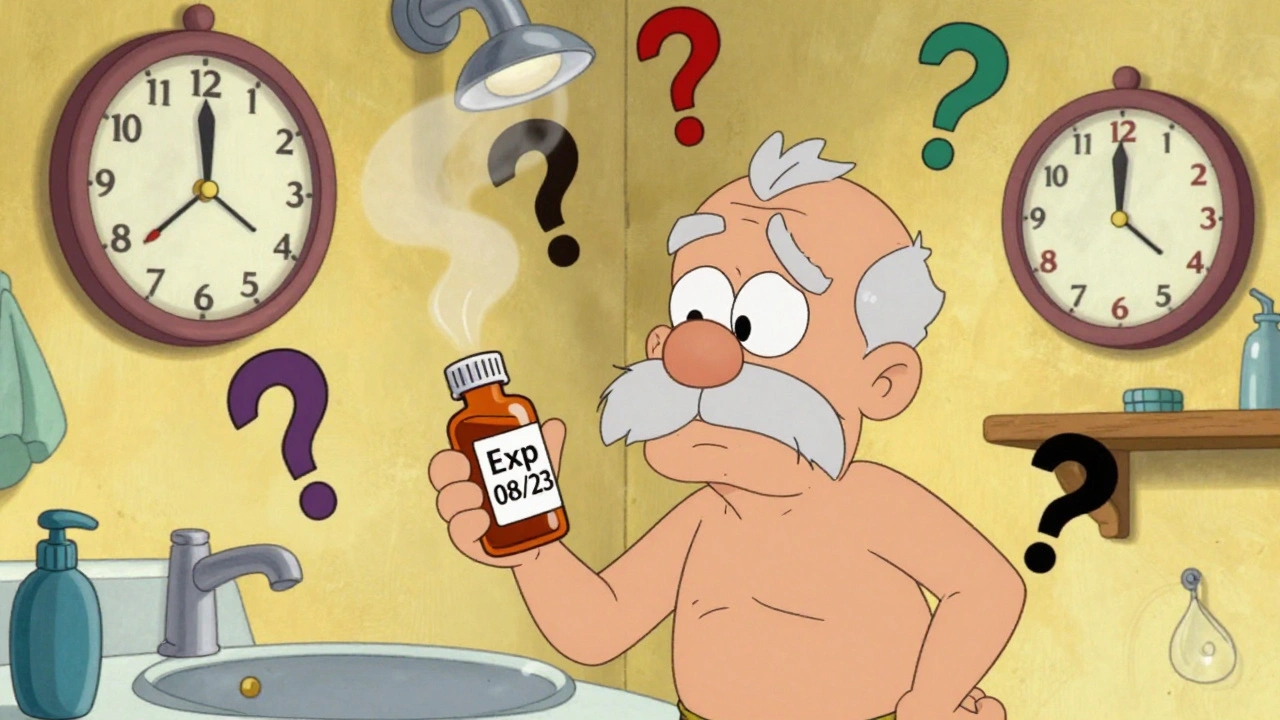
How to Read Expiration Dates on Medication Packaging Correctly

How to Read Expiration Dates on Medication Packaging Correctly

Martyn F. Dec. 8 3

Learn how to read expiration dates on medication packaging, understand the difference between manufacturer and pharmacy dates, and know which medicines are unsafe to use after expiration. Avoid risks and wasted money with simple, practical tips.

More Detail
Recent posts
Understanding the Role of Vortioxetine in Neuropsychiatric Disorders

In my recent exploration, I delved into the role of Vortioxetine in neuropsychiatric disorders. Vortioxetine is an antidepressant that has shown significant potential in treating disorders like depression and anxiety. It operates by modulating various neurotransmitter systems in the brain, thereby improving mood and cognitive functions. Some scientific studies even suggest its potential effectiveness in addressing cognitive issues in Alzheimer's and schizophrenia. However, like all medications, it's essential to consider possible side effects and interactions before use.

Guaifenesin and Liver Health: What You Should Know

As a blogger, I recently came across a fascinating topic: Guaifenesin and Liver Health. Guaifenesin is a common ingredient in many over-the-counter cough medicines, and I wanted to share what I've learned about its potential impact on our liver health. From what I've gathered, it seems that this medication is generally safe for most people, but those with pre-existing liver conditions should use caution. It's essential to consult with a healthcare professional before using guaifenesin if you have liver issues. In summary, guaifenesin is safe for many, but those with liver concerns should take extra care and seek professional advice.

The Benefits of Allopurinol for Diabetic Patients with Hyperuricemia

In my recent research, I've discovered some remarkable benefits of Allopurinol for diabetic patients who suffer from hyperuricemia. It appears that this medication, traditionally used to treat gout, can help to lower uric acid levels in the blood. This is crucial because high uric acid levels can lead to serious complications for diabetics, including kidney disease or heart problems. Moreover, Allopurinol seems to reduce the risk of these complications, making it an important tool in managing diabetes. It's always exciting to see how flexible and multifaceted our medical treatments can be!

About Us

Health and Wellness