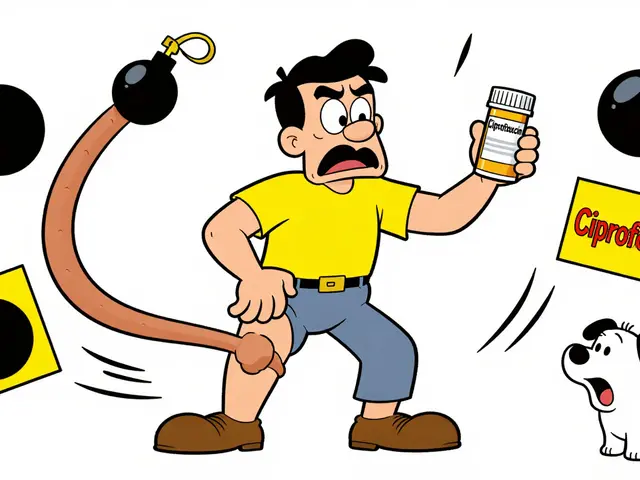
Medication Side Effects: What They Are, Why They Happen, and How to Handle Them
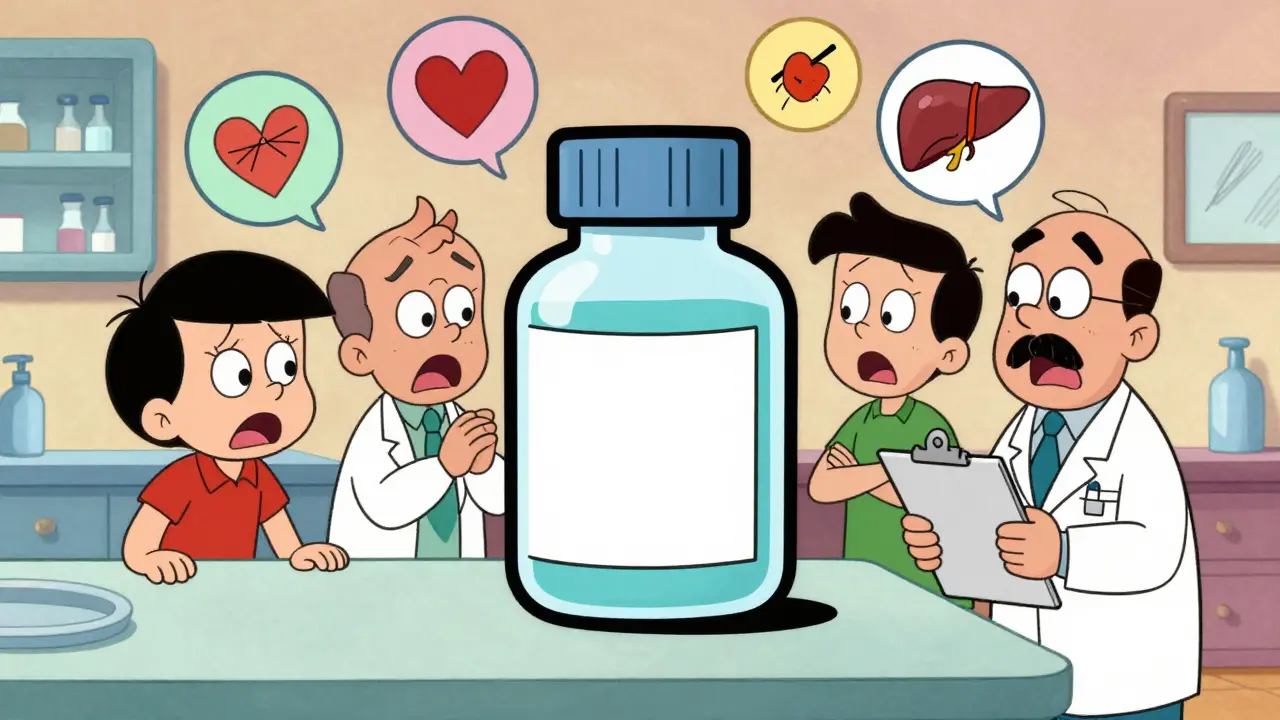
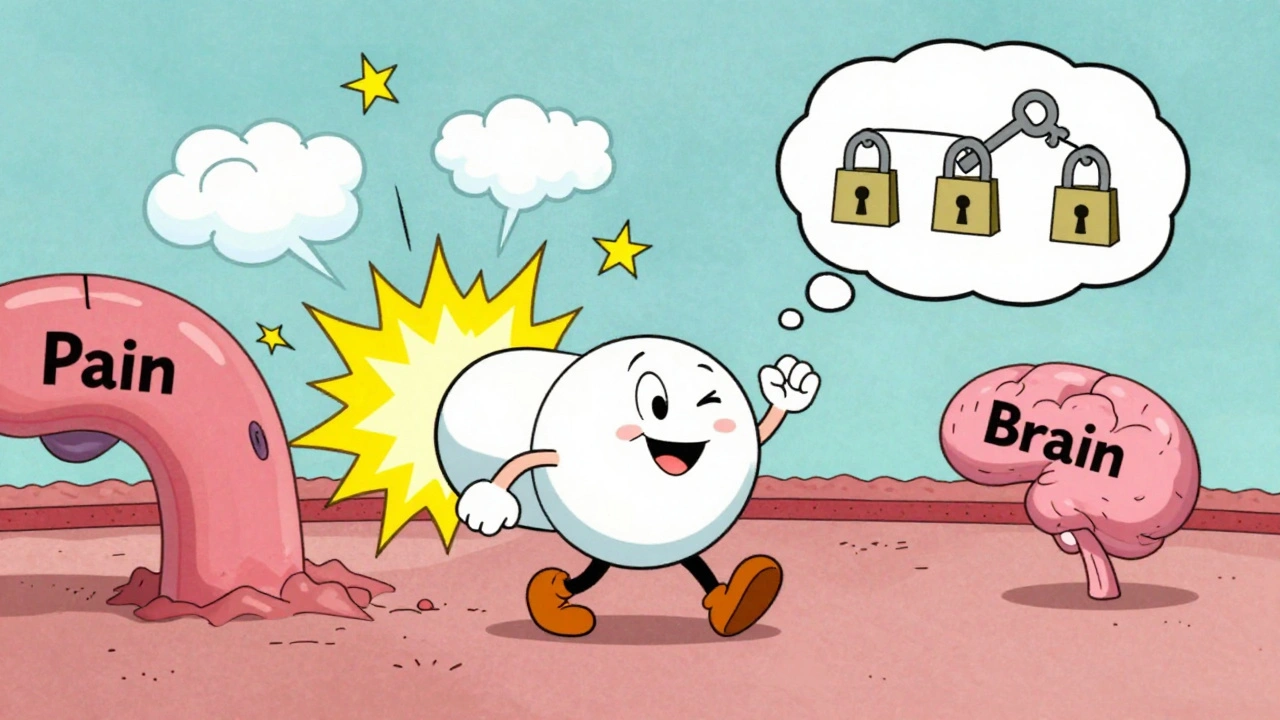
When you take a medication side effects, unintended physical or mental reactions that occur alongside the intended therapeutic effect. Also known as adverse drug reactions, they can range from mild nausea to life-threatening changes in heart rhythm. Not every reaction is dangerous, but every one deserves attention. Side effects aren’t random—they’re the body’s response to a drug interacting with your biology in ways the prescriber didn’t intend. That’s why knowing what’s normal and what’s not can keep you out of the ER.
One of the clearest ways to figure out if a drug is causing trouble is through dechallenge and rechallenge, a clinical method where stopping the drug (dechallenge) and restarting it (rechallenge) confirms whether it triggered the reaction. If your rash disappears after quitting the pill and comes back when you start again, that’s strong proof the drug is the culprit. This isn’t just for doctors—it’s something you can track yourself. Keep a simple log: note when you started the med, when symptoms showed up, and what changed after you stopped. Many people don’t realize their headaches or fatigue are tied to a new prescription until they connect the dots this way.
Another key concept is medication tolerance, when your body adapts to a drug over time, causing some side effects to fade while others stick around. That dry mouth from your blood pressure pill? It might vanish after two weeks. But the weight gain from an antipsychotic? That’s likely to stay. Tolerance doesn’t mean the drug stopped working—it means your system adjusted. That’s why you shouldn’t assume side effects will always go away. Some do. Some don’t. And some, like dizziness from sedatives or yeast infections from SGLT2 inhibitors, need active management, not just waiting.
Side effects aren’t just about the drug itself—they’re shaped by your age, other meds you take, your diet, even your sleep. Older adults are more sensitive to anticholinergic drugs like diphenhydramine, which can cause sudden confusion called medication-induced delirium. People on multiple prescriptions are at higher risk for dangerous combinations, like SSRIs with MAO inhibitors leading to serotonin syndrome. Even something as simple as grapefruit juice can interfere with cholesterol drugs or blood pressure pills. That’s why a clear medication list isn’t just helpful—it’s a safety tool.
You don’t have to live with bad side effects. Some can be managed with simple swaps—like switching from a bitter pill to a flavored version for kids, or changing the time you take a drug to reduce stomach upset. Others need a new prescription entirely. The point isn’t to avoid meds—it’s to use them smarter. If you’re unsure whether a symptom is serious, don’t guess. Talk to your pharmacist. Bring your list. Ask: Is this normal? Should I stop? Or is there a better option?
Below, you’ll find real-world guides on spotting dangerous reactions, understanding why some side effects fade, how to challenge a drug’s role in your symptoms, and what to do when a medication causes more harm than good. These aren’t theoretical—they’re based on patient experiences, clinical evidence, and practical steps you can take today.