Pediatric Pharmacy Services: What Parents and Caregivers Need to Know
When it comes to giving medicine to kids, pediatric pharmacy services, specialized pharmaceutical care designed specifically for infants, children, and teens. Also known as child pharmacy, it’s not just about shrinking adult doses—it’s about understanding how a child’s body absorbs, processes, and reacts to drugs differently at every age. A 2-year-old doesn’t just need less of a pill than a 12-year-old. Their liver and kidneys work differently. Their weight changes fast. And some medications that are safe for adults can be dangerous or even deadly for kids.
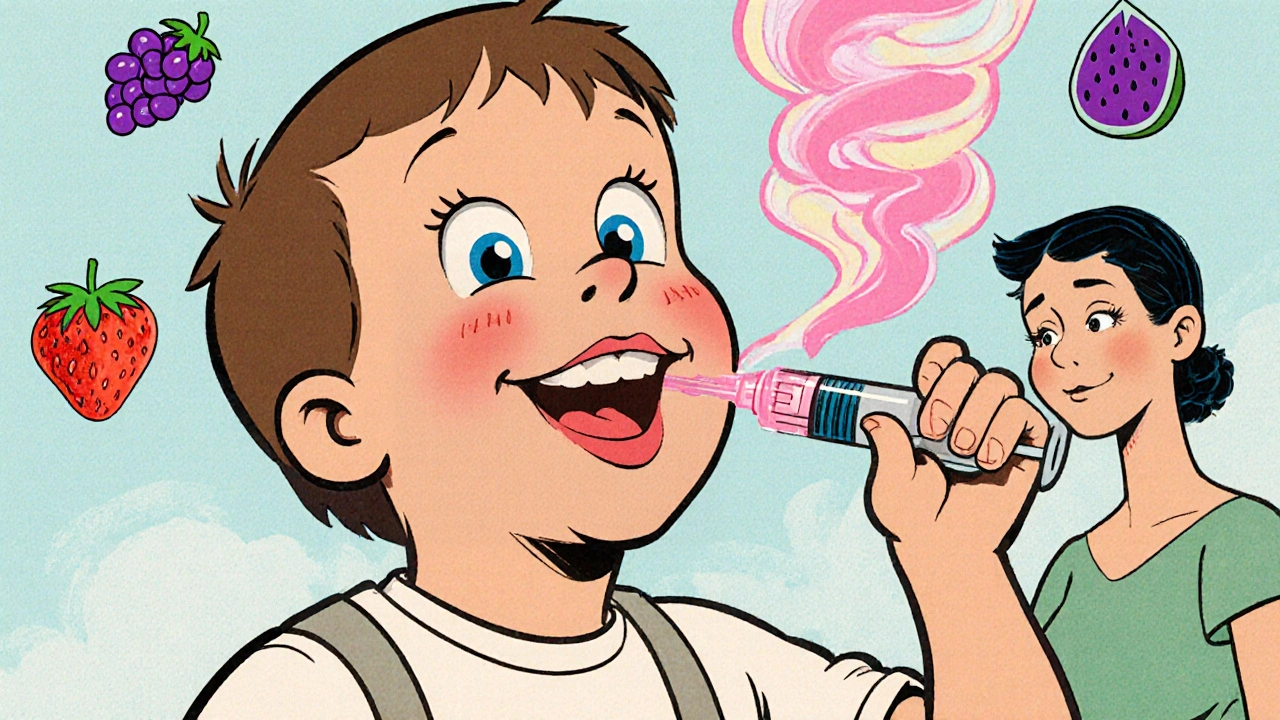
That’s why pediatric dosing, the precise calculation of medication amounts based on a child’s weight, age, and developmental stage is critical. One wrong decimal point can turn a helpful dose into a harmful one. Pediatric pharmacists don’t just fill prescriptions—they review them. They check for interactions with other meds, spot dangerous abbreviations on doctor’s notes, and make sure the form (liquid, chewable, dissolving tablet) matches what the child can actually take. For kids with chronic conditions like asthma, epilepsy, or ADHD, these services mean daily routines are safer and more manageable. And when a child has trouble swallowing pills, a pediatric pharmacist can compound a medication into a flavored suspension or a patch that sticks to the skin.
It’s not just about the drug—it’s about the family. child-safe drugs, medications formulated specifically for pediatric use with appropriate flavors, preservative-free options, and packaging that prevents accidental overdose are a big part of the equation. Many over-the-counter cold syrups, for example, contain ingredients that shouldn’t be given to kids under six. Pediatric pharmacists help parents avoid these traps. They also work with schools and caregivers to make sure meds are given correctly during the day. If your child is on multiple drugs, they can build a simple, color-coded schedule that makes it easy to track what’s taken and when.
And here’s something most parents don’t realize: pediatric pharmacies often handle insurance hurdles too. Step therapy, prior authorization denials, and coverage gaps hit families harder when kids are involved. A pediatric pharmacist can help you fight for the right medication—not the cheapest one—and explain what alternatives exist if a drug isn’t covered. They’ve seen what happens when a child can’t get their seizure meds or asthma inhaler on time.
Below, you’ll find real-world guides on how to catch prescription errors, manage complex medication lists for kids, understand how generics work in pediatric care, and avoid dangerous drug interactions that can sneak up on families. Whether your child is on one med or five, these resources are built to help you ask the right questions, spot red flags, and make sure every dose is safe, effective, and as stress-free as possible.