Pill Tracking: Stay on Schedule and Avoid Medication Mistakes
When you’re juggling multiple medications, pill tracking, the practice of monitoring when and how you take your medications to ensure consistency and safety. Also known as medication adherence tracking, it’s not just about remembering to take your pills—it’s about preventing hospital visits, avoiding dangerous interactions, and keeping your treatment on track. Many people think they’re doing fine because they take their meds "most days," but missing just one dose a week can reduce effectiveness, trigger side effects, or even cause relapses—especially with drugs for high blood pressure, diabetes, or mental health conditions.
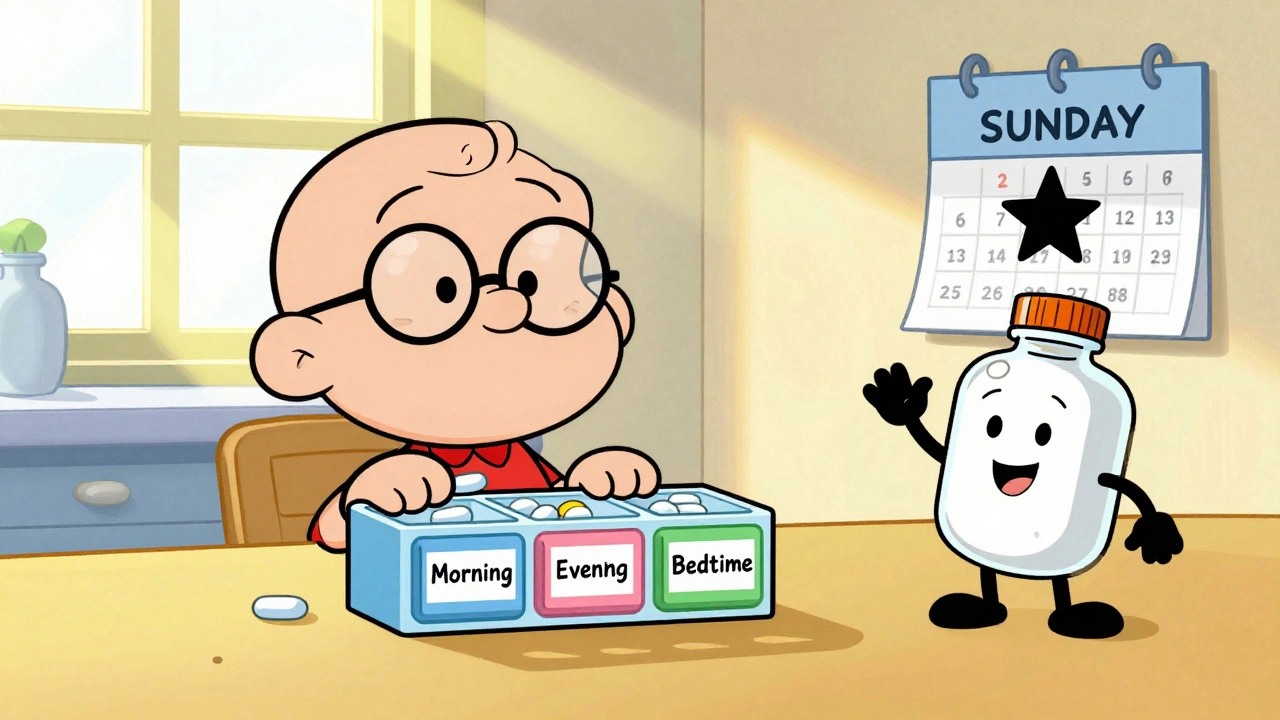
Pill tracking isn’t just for seniors. It matters for anyone on more than one daily medication, whether it’s antibiotics, thyroid pills, or antidepressants. Tools like pill organizers, physical or digital systems designed to sort and remind users of scheduled doses help cut through the clutter. Digital reminders, apps, and even simple printed schedules can turn guesswork into routine. Studies show that people who track their meds consistently are up to 50% more likely to stick to their treatment plan. And when you combine pill tracking with medication lists, a clear, updated record of all drugs, doses, and reasons for use, you give your doctor a real-time snapshot of what’s working—and what’s not.
Some of the biggest risks come from hidden problems: forgetting a dose because the pill looks like another, mixing up morning and night meds, or skipping pills because of side effects. That’s why tracking isn’t just about memory—it’s about awareness. It helps you spot patterns: Do you always miss your afternoon pill? Does your stomach upset start after you take a new drug? These clues matter. And when you bring a tracked record to your appointment, you’re not just reporting—you’re collaborating. You’ll also find real-world fixes in the posts below, from how flavoring pediatric meds boosts compliance to how step therapy forces patients to rethink their routines. Whether you’re managing chronic illness, recovering from surgery, or just trying to stay on top of your prescriptions, pill tracking turns confusion into control. Below, you’ll see how others have solved these problems—using simple tools, smart habits, and real-life strategies that actually work.