Skin Cancer Symptoms: What to Watch For and When to Act
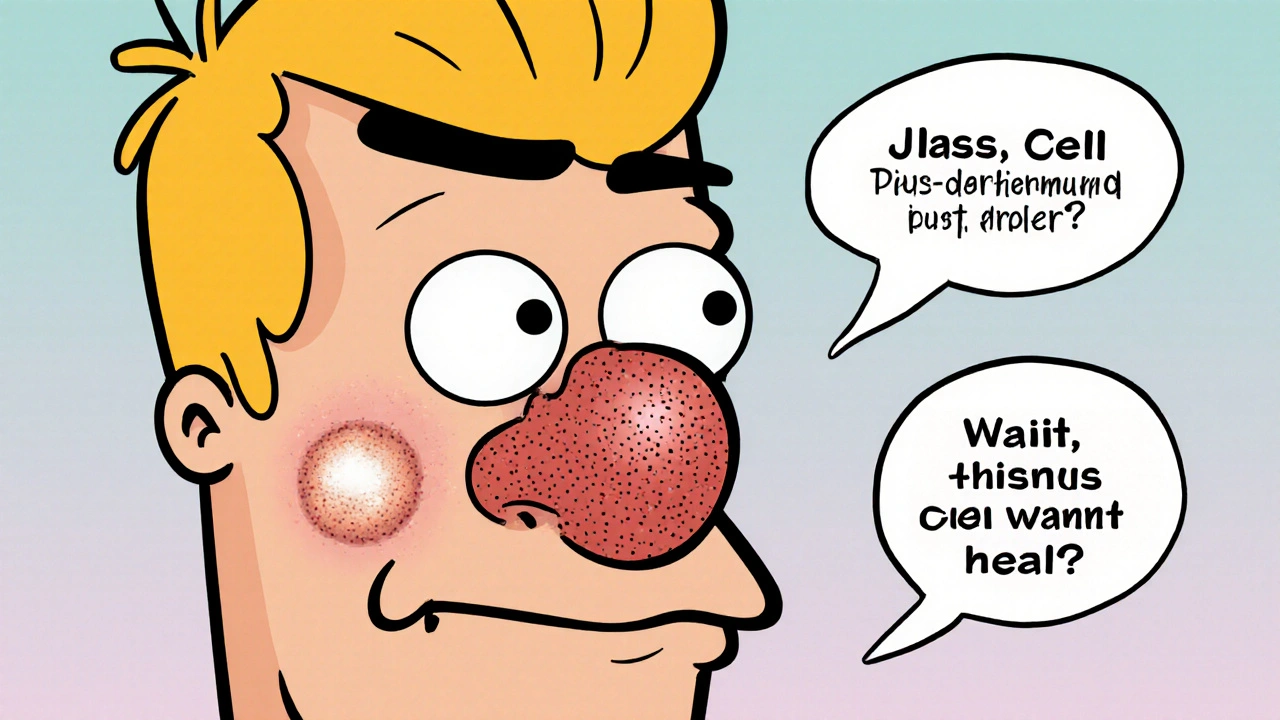
When you notice a new spot on your skin—or an old one that’s changed—it’s natural to worry. skin cancer symptoms, early warning signs like unusual moles, sores that won’t heal, or growing patches of discolored skin. Also known as abnormal skin growths, these changes are often the first clue to melanoma, the most dangerous form of skin cancer that starts in pigment-producing cells or other types like basal cell carcinoma, a slow-growing but common tumor that often appears as a pearly bump or a flat, scaly patch. Ignoring them doesn’t make them go away—it just gives them more time to spread.
Not all skin changes are cancer, but some patterns are red flags. Look for the ABCDEs: Asymmetry (one half doesn’t match the other), Border irregularity (ragged or blurred edges), Color variation (shades of brown, black, red, or even white), Diameter larger than a pencil eraser, and Evolution (a mole changing size, shape, or color over weeks or months). These aren’t just medical jargon—they’re your personal checklist. A mole that itches, bleeds, or crusts over without being scratched? That’s not normal. A scab that keeps coming back in the same spot? That’s not just dry skin. And don’t wait for pain—most early skin cancers don’t hurt at all. squamous cell carcinoma, another common type that often looks like a red, scaly patch or a firm bump can show up on sun-exposed areas like ears, lips, or hands, even in people who don’t get sunburns often. UV damage adds up over years, and it doesn’t matter if you’re 25 or 65—your skin remembers.
What you see in the mirror matters more than you think. The people who catch skin cancer early are the ones who check their skin regularly—not just when something looks scary. They notice the tiny spot behind the ear, the dark line under the nail, the patch that won’t fade after a week. They don’t wait for a doctor to point it out. And when they do go in, they bring a list: when it started, how it’s changed, if it’s bothered them. That’s how you get fast answers. The posts below cover real cases: how a harmless-looking freckle turned out to be melanoma, why a persistent rash wasn’t eczema, how a simple skin exam caught cancer before it went deeper. You’ll find what to look for, what to ignore, and what to act on immediately. No fluff. Just what you need to protect yourself.