Tapering Opioids: How to Do It Safely and What to Expect

When you’ve been taking opioids for pain, stopping suddenly isn’t safe or smart. tapering opioids, the gradual reduction of opioid dosage under medical supervision. Also known as opioid weaning, it’s the standard way to lower dependence without triggering severe withdrawal or relapse. This isn’t about quitting cold turkey—it’s about giving your body time to adjust while minimizing discomfort.

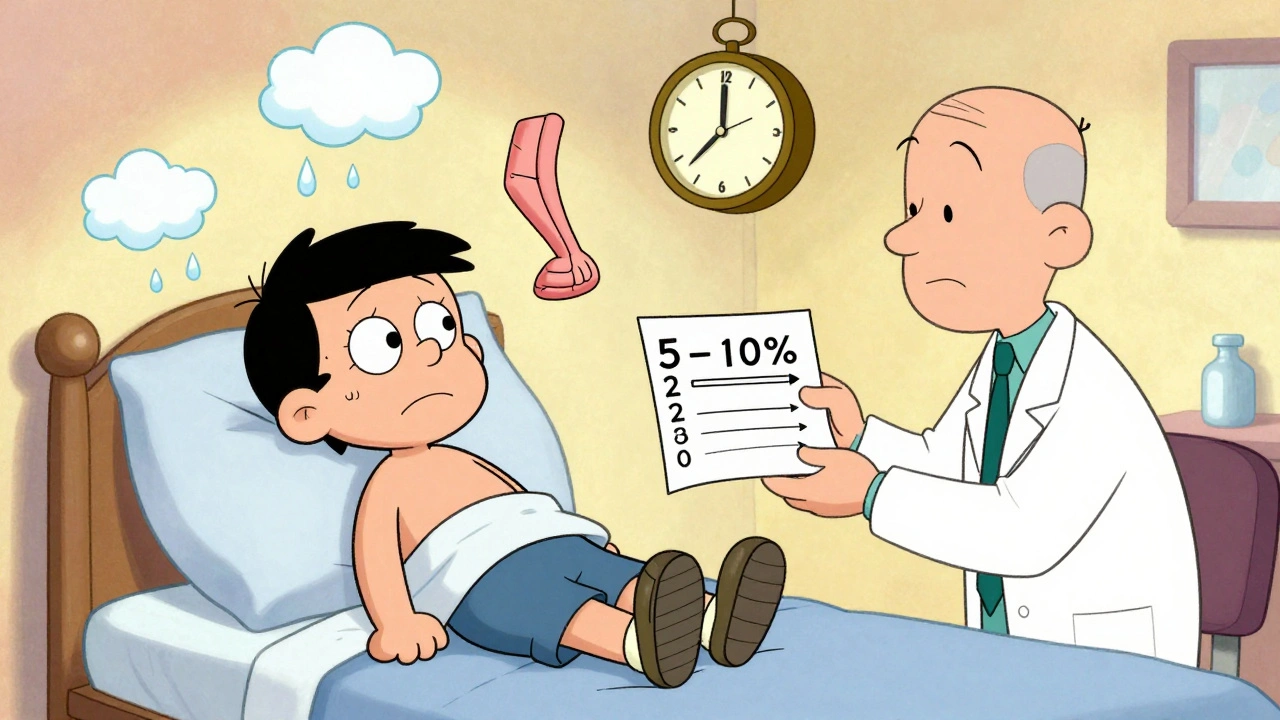
Many people start tapering because their pain has improved, or because long-term use brings side effects like constipation, drowsiness, or risk of addiction. opioid withdrawal, the physical and emotional symptoms that occur when opioids are reduced too quickly can include nausea, anxiety, insomnia, muscle aches, and even flu-like symptoms. The key is to slow it down. Most doctors recommend reducing doses by 10% every 1-2 weeks, but that pace can change based on how long you’ve been on the medication, your dose, and your overall health. opioid dependence, a physical adaptation where your body relies on the drug to feel normal doesn’t mean you’re addicted—it means your nervous system has changed, and it needs time to reset.

Some people taper on their own, but that’s risky. Without a plan, you might reduce too fast and end up in pain or worse. pain management, the broader strategy of controlling discomfort without relying on opioids becomes critical during this phase. That’s where non-opioid options like physical therapy, nerve blocks, or even certain antidepressants can help. You’re not just lowering a pill count—you’re building new ways to cope. And if you’ve been on high doses for years, your doctor might switch you to a longer-acting opioid first, like methadone or buprenorphine, to make the taper smoother.

What you’ll find in the posts below isn’t just theory. You’ll see real advice on how to track your progress, what symptoms are normal versus dangerous, how to talk to your doctor about tapering, and how other people handled the process. You’ll also learn about medication tolerance, how side effects fade over time, and why some people need more support than others. This isn’t a one-size-fits-all journey. But with the right plan, tapering opioids doesn’t have to feel like a battle—it can be a step toward better control, better health, and better days ahead.
Opioid Withdrawal: How to Safely Taper and Manage Symptoms

Opioid Withdrawal: How to Safely Taper and Manage Symptoms

Martyn F. Dec. 2 2

Learn how to safely taper off opioids with evidence-based strategies to manage withdrawal symptoms, avoid relapse, and improve long-term well-being. Based on CDC 2022 guidelines and real patient experiences.

More Detail
Recent posts
The Most Common Types of Vertigo: BPPV, Meniere's Disease, and Vestibular Neuritis

As a blogger, I recently explored the most common types of vertigo: BPPV, Meniere's Disease, and Vestibular Neuritis. I discovered that BPPV, or Benign Paroxysmal Positional Vertigo, is the most common and occurs when tiny calcium crystals in the inner ear become dislodged. Meniere's Disease, on the other hand, involves fluid build-up in the inner ear, leading to sudden and severe vertigo attacks. Vestibular Neuritis, which is caused by inflammation of the vestibular nerve, results in a constant sense of imbalance. Overall, these three conditions can greatly impact a person's quality of life, but with proper diagnosis and treatment, they can be managed effectively.

Boost Your Immune System Naturally with the Power of Siberian Ginseng

In my latest blog, I delve into the natural health-boosting properties of Siberian Ginseng. This powerful herb, used extensively in traditional medicine, aids in strengthening our immune system. I discuss how it helps increase your body's resistance to stress, fatigue, and illness. Siberian Ginseng is packed with antioxidants, making it a natural remedy for boosting your overall health. Don't miss out on this read to learn how you can incorporate this super herb into your daily routine for a healthier, stronger you.

Guaifenesin and Liver Health: What You Should Know

As a blogger, I recently came across a fascinating topic: Guaifenesin and Liver Health. Guaifenesin is a common ingredient in many over-the-counter cough medicines, and I wanted to share what I've learned about its potential impact on our liver health. From what I've gathered, it seems that this medication is generally safe for most people, but those with pre-existing liver conditions should use caution. It's essential to consult with a healthcare professional before using guaifenesin if you have liver issues. In summary, guaifenesin is safe for many, but those with liver concerns should take extra care and seek professional advice.

About Us

Health and Wellness