Medication Adherence: Why Taking Pills as Prescribed Matters and How to Get Better at It
When doctors prescribe medication, they expect you to take it exactly as directed—but too often, people don’t. Medication adherence, the practice of taking drugs exactly as prescribed, including the right dose, at the right time, for the full duration. Also known as drug compliance, it’s one of the most overlooked factors in health outcomes. If you skip doses, stop early, or take things at random times, even the best drug won’t work. Studies show that poor adherence is behind up to half of all treatment failures for chronic conditions like high blood pressure, diabetes, and depression.
Why does this happen? It’s rarely about being lazy. For some, side effects make the medicine feel worse than the disease. Others can’t afford it. Seniors juggle ten different pills and lose track. Kids refuse bitter syrups. Insurance steps force people to try cheaper options that don’t work. And sometimes, you just feel fine—so you stop. But stopping early can cause relapses, resistance, or even hospitalization. Medication side effects, unwanted reactions caused by drugs, often drive people away from treatment. When those side effects are managed—or made easier to swallow, literally—adherence goes up. Pill taking, the daily habit of consuming prescribed medication becomes less of a chore and more of a routine.
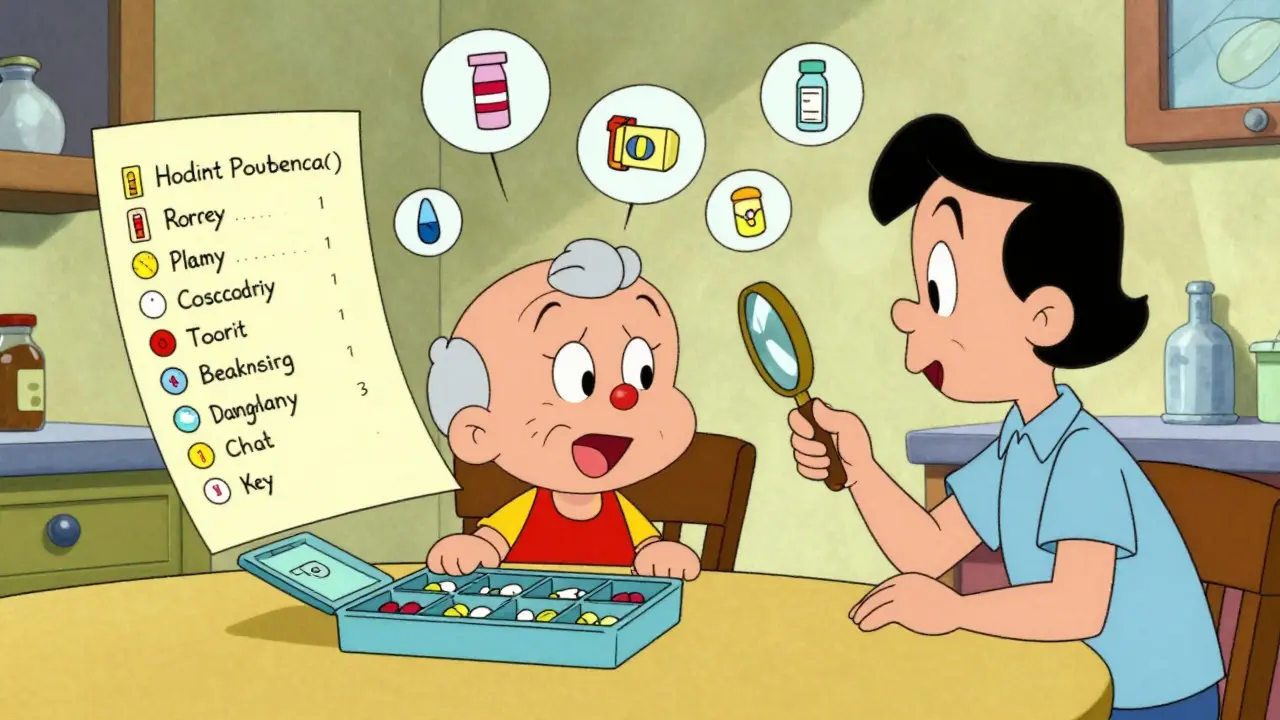
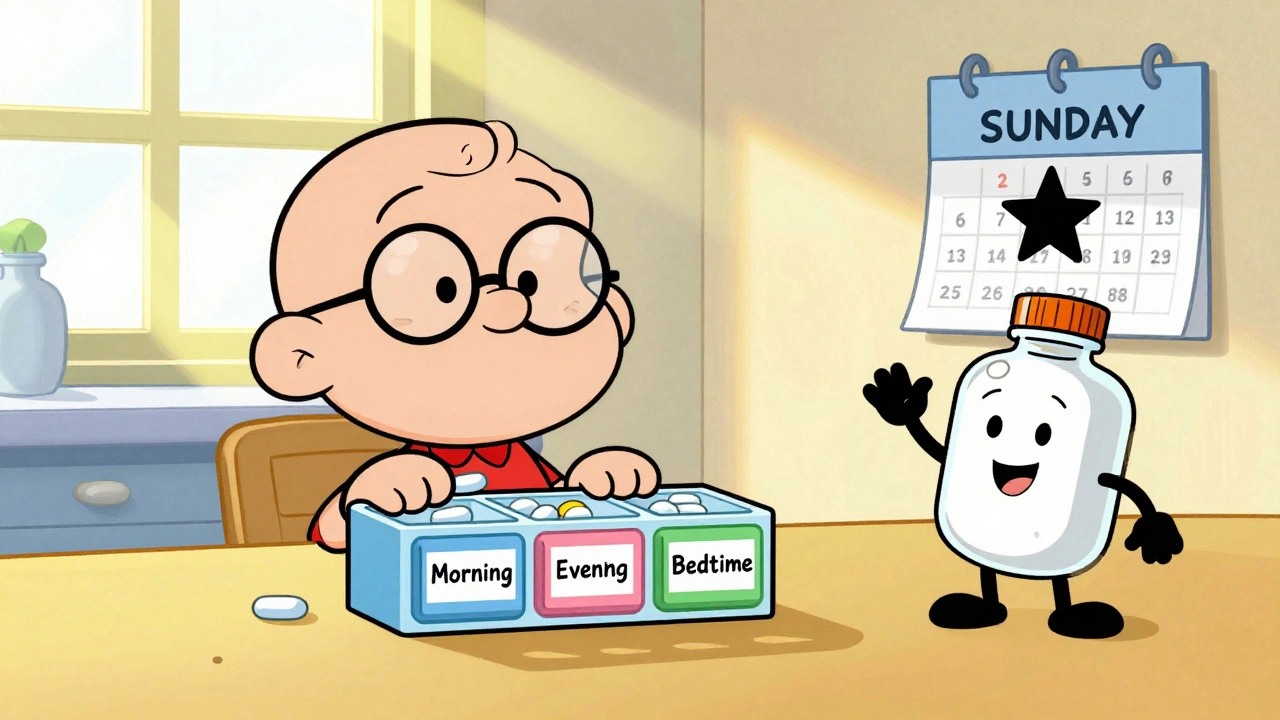
There are real, simple fixes. Flavoring pediatric meds turns bitter liquids into grape or bubblegum treats, boosting adherence from 53% to over 90%. Using a pill organizer cuts confusion for seniors managing polypharmacy. Setting phone alarms helps people remember. Talking to your pharmacist about cost or side effects can lead to alternatives that actually fit your life. And when insurance blocks your drug, knowing how to appeal a prior authorization denial can get you back on track.
This collection isn’t about theory. It’s about what works. You’ll find real stories and proven strategies: how flavoring services help kids take their antibiotics, why older adults end up in the ER from medication-induced delirium, how to safely taper off opioids without relapsing, and why even tiny changes—like keeping your meds in your bathroom or wallet—can make a huge difference. You’ll also see how batch variability in generics, step therapy rules, and bioequivalence limits affect whether your drug even works as intended.
Medication adherence isn’t a personal failure. It’s a system problem—and the solutions are right here, in the tools, tricks, and science that actually help people stick to their treatment plans. Whether you’re managing a chronic condition, caring for someone who is, or just trying to make sense of your own prescriptions, what follows will give you more than advice. It’ll give you control.